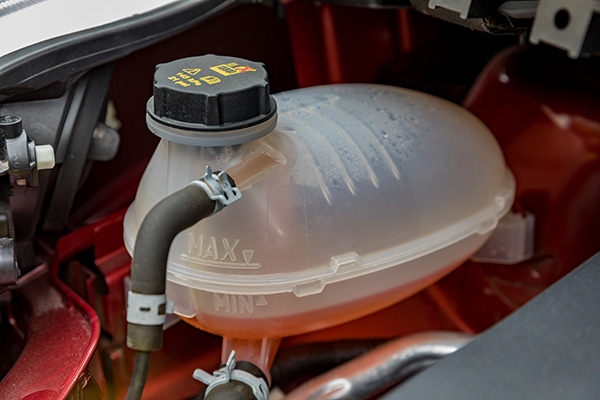
Low coolant leaves the engine with less fluid to carry heat away. Keep driving as the level falls and the cooling system loses its ability to manage temperature. Overheating is the next risk, and repairs can go far beyond replacing a hose.
A reservoir reading also needs context. Some vehicles are checked cold, and their marks account for coolant expansion. Use the procedure in your owner's manual instead of guessing from a hot tank.
If the level keeps dropping, find the cause. At Asian Imports, we inspect the cooling system and connect the missing coolant to the repair it needs.
How Coolant Controls Engine Temperature
Combustion produces heat inside the engine. Coolant circulates through passages, carries that heat to the radiator, and returns after releasing it to the surrounding air. The system relies on the correct fluid, adequate level, circulation, pressure control, and airflow. Low coolant interrupts that chain. Air entering the system also complicates circulation and temperature control.
In Las Vegas and Henderson, hot ambient conditions increase cooling demand, but the engine still needs a sound system in every season. A leak isn't harmless just because a particular trip is short or the weather has cooled.
Early Signs of Low Coolant
A low-level message is a direct reason to check the system using the vehicle's instructions. Other clues include a falling reservoir level, residue around a connection, or a sweet smell near the engine.
Cabin heating sometimes changes when coolant circulation is disrupted. The heater relies on hot coolant passing through its heat exchanger, so weak or inconsistent heat adds information to the inspection.
An empty reservoir and no visible puddle still require a check. Coolant can leak onto hot surfaces, collect behind panels, or escape only under pressure. Internal loss is another possibility that needs testing.
Overheating From Continued Coolant Loss
As the coolant supply becomes inadequate, the engine loses temperature control. Metal components expand with heat, seals take on more stress, and the lubricant operates under harsher conditions.
An overheating warning means pull over safely and shut down the engine. Avoid trying to finish the trip while watching the gauge. Severe heat damages parts faster than the distance to home suggests.
Leave the hot coolant cap closed. Pressurized fluid and steam cause burns when released. Follow the manual and arrange assistance if the level loss or overheating remains unresolved.
Adding fluid after the engine cools can temporarily restore the level, but the original failure still needs repair. A split hose or failed pump doesn't stop failing because the reservoir was filled.
Cylinder Head and Gasket Damage
Excessive engine temperature threatens sealing surfaces and internal components. A distorted cylinder head or damaged head gasket leads to a much larger repair than the cooling-system fault that started the problem. The consequences vary by engine and the severity of overheating. Continuing to drive through a warning increases risk because the engine remains loaded while its cooling protection is reduced.
After an overheating event, the inspection should review how long the engine ran, which warnings appeared, and whether it lost power or stopped. Start with cooling-system testing, then follow up with mechanical checks based on what the engine does now.
Leaks That Lower the Coolant Level
Hoses, radiator seams, pump seals, thermostat housings, and other connections are common inspection points. Plastic parts and rubber seals age through repeated heat cycles.
A pressure test helps reveal leaks that aren't obvious beside a parked car. The test must follow the system's pressure limits. We also inspect caps and circulation components when the findings point there.
A leak from one part sometimes leaves residue on another, so the location needs to be traced. Replacing the lowest wet component without checking where the fluid began risks missing the source.
Cooling-System Symptoms to Report
Before the appointment, note:
- How often the coolant level drops
- The amount and type of coolant added
- Any temperature or low-level warning
- A sweet smell or visible residue
- Weak or changing cabin heat
- Smoke, power loss, or an engine stall during overheating
Keep these observations with dates and mileage where possible. The rate of loss helps us plan the tests and understand whether the condition has changed quickly.
Cooling-System Service After Coolant Loss
Coolant is more than water with color added. Its formulation provides temperature protection and corrosion control for the system it was designed to serve.
Use the manufacturer's specification. Color alone isn't a reliable compatibility guide, and mixing products without confirming that requirement risks a fluid combination the engine wasn't designed to use.
After repair, filling and air removal should follow the vehicle's procedure. Trapped air interferes with circulation and heater performance. The completed service includes checking level and temperature behavior under the required operating conditions.
If emergency instructions call for a temporary fluid measure, follow the owner's manual and have the correct mixture restored as part of the repair. Avoid turning an emergency response into the long-term maintenance plan.
Repairing the leak is one stage. The system also needs to hold pressure, circulate coolant, and release heat correctly afterward. Fans and thermostat operation should be reviewed where the original complaint calls for those checks.
The engine's condition then guides any additional work. Persistent misfiring, contaminated fluids, continued coolant loss, or abnormal pressure require further investigation. Explain the entire event when booking, even if the temperature returned to normal after the car cooled.
Keep the service record and follow the post-repair level-check instructions. If the level drops again, report it promptly. Repeatedly topping off masks a fault that the system still has.
Cooling-System Repair at Asian Imports
Asian Imports serves drivers in Las Vegas and Henderson, NV, with coolant loss, overheating, and related engine concerns. Let us know which warnings appeared and whether the car overheated so we can discuss inspection and safe transportation.
Schedule cooling-system service with Asian Imports before low coolant turns into a more expensive engine repair.