Posted on 8/28/2026
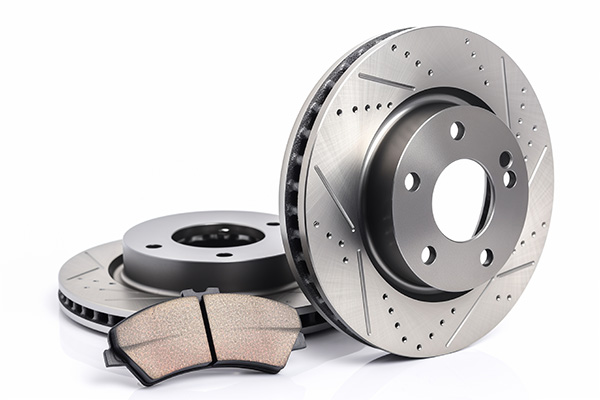
Brake service often begins with a familiar symptom: squealing, grinding, longer stopping distance, or a technician pointing out that the pads are getting thin. Then another question comes up when the estimate is prepared. If the brake pads are worn, what happens to the rotors sitting behind them? Pads and rotors work against each other every time the vehicle slows down, so their condition is closely connected. Still, they do not always wear at exactly the same rate. Rotor thickness, surface condition, heat damage, previous brake work, and manufacturer specifications all influence what should be replaced during a brake repair. How Brake Pads and Rotors Work Together Brake pads are pressed against the rotor when hydraulic pressure moves the caliper pistons. Friction between the pad material and the rotating disc converts vehicle motion into heat, slowing the wheel. Each braking event removes tiny amounts of material from both surfaces. Pads are designed to wear consi ... read more
Posted on 7/31/2026
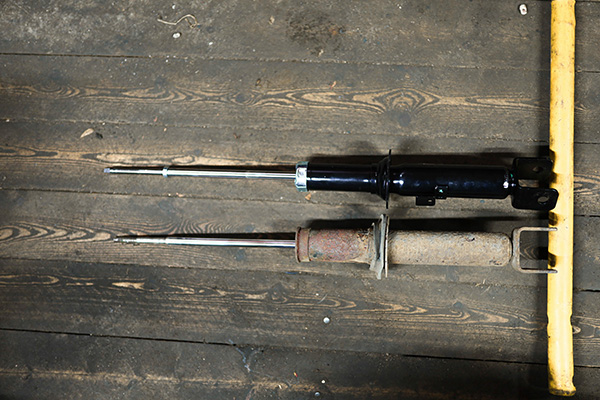
Your vehicle's suspension system lives a completely thankless life. Every single time you back out of your driveway, cruise down the highway, or take a sharp turn, a complex network of springs, links, and dampers is working at lightning speed to keep your ride smooth. They take the absolute brunt of every single pothole, speed bump, and rough patch of asphalt you encounter. Because all of this heavy lifting happens underneath the car, it is incredibly easy to take your suspension for granted until something goes wrong. One of the most common suspension issues we diagnose at our shop is a leaking strut. You might notice it during a routine oil change, or you might spot a mysterious, oily smudge coating the components right behind your front wheel. When fluid starts escaping from a strut, it is a clear cry for help from your suspension. Today, we want to look at exactly what causes a sus ... read more
Posted on 6/26/2026

A lot of drivers are not afraid of car repairs as much as they are afraid of not understanding what they are paying for. At our shop, we see that all the time. Someone gets handed an estimate full of parts, labor, recommendations, and service names that sound important, but not always clear. Then comes the uncomfortable part. You want to ask questions, but you do not want to sound uninformed. You want to make a smart decision, but you are not sure what matters most. That feeling is more common than people think. The good news is that you do not need to know how to rebuild an engine or diagnose a suspension issue to have a good conversation with your mechanic. You just need to know how to ask the right questions and what kind of answers you should expect. A good shop should be able to explain the estimate in a way that makes sense to a real human being, not just someone who works on cars all day. From our perspective, the best repair conversations happen when both sides are clear. Yo ... read more
Posted on 5/29/2026

Toyota SUV shopping can get confusing fast because the lineup covers so many different lives. One driver wants easy parking and a strong fuel economy. Another needs room for kids, gear, and groceries. Someone else wants a Toyota that can handle desert roads, mountain trips, and long weekends without feeling out of place. The best model depends on how the SUV will actually be used. A daily commuter does not need the same Toyota as a family with three rows of passengers. A weekend traveler heading out with coolers, luggage, bikes, or camping gear needs a different setup than someone who mostly drives across town. Toyota RAV4: The Easy Answer For Many Drivers The Toyota RAV4 is popular for a reason. It is small enough to feel manageable in heavy traffic and parking lots, but large enough to handle groceries, work bags, kids’ gear, and weekend luggage. For many drivers, that balance is exactly what makes it such a strong choice. A RAV4 also makes sense for commu ... read more
Posted on 4/30/2026

When a car starts acting differently, many drivers want quick answers. Maybe the check engine light is on, the engine feels rough, or fuel economy has dropped. The first step in figuring out what is going on is usually an engine diagnostic, but not everyone knows what that actually involves. A proper diagnostic is more than just plugging in a scanner. It is a process that helps narrow down the exact cause of a problem instead of guessing. It Starts With Reading Trouble Codes The first step in most diagnostics is connecting a scan tool to the vehicle’s computer. This allows technicians to read stored trouble codes and see which systems have detected something outside normal range. Codes point to a general area, such as fuel, air, ignition, or emissions. They do not confirm the exact cause of the failure, but they provide a starting point. From there, the process moves into deeper testing. Live Data Helps Show What Is Really Happening Beyond ... read more
Posted on 3/27/2026
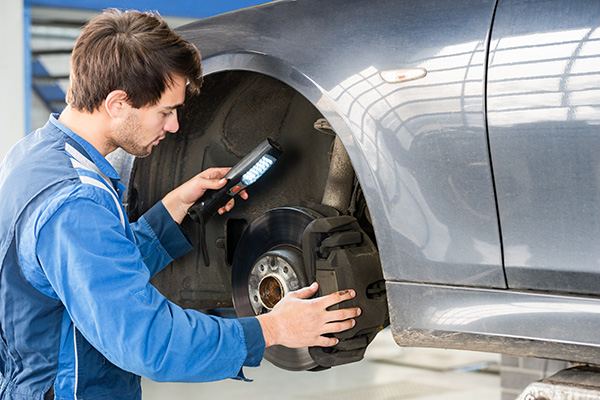
Brake noise usually starts before the brake system fully gives up. A light squeal when you slow down, a rough scraping sound at a stop, or a harsher grind that turns heads in traffic all point to the same basic truth. Something in the braking system is wearing, shifting, or making contact the wrong way. That noise should be treated like an early warning, not background irritation. Why Brake Noise Starts In The First Place Your brakes work by pressing pads against rotors and converting motion into heat. That process is supposed to be controlled, even, and quiet. Once the pads wear down, the hardware loosens, or the rotor surface changes, noise starts to appear because the contact is no longer happening the way it should. A lot of drivers wait because the car still stops. That is the trap. Brake noise often starts while the repair is still manageable, which means an inspec ... read more
Posted on 2/27/2026
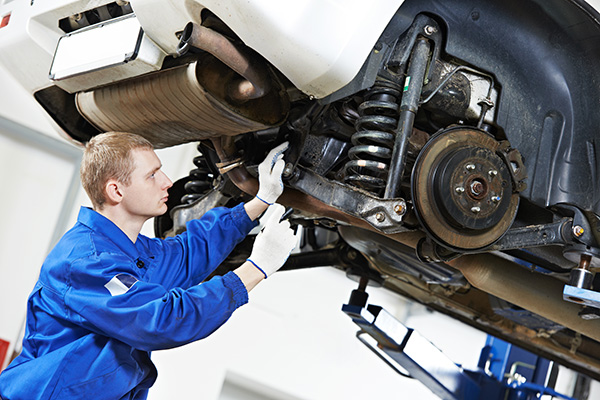
Suspension wear usually creeps in slowly, so it can be hard to notice until the ride feels off all the time. A worn suspension can make the car bounce, wander, clunk over bumps, or chew through tires faster than it should. The good news is you can spot a lot of the clues without being a suspension expert. You just need to know what changes are meaningful and what to look at first. How Suspension Wear Builds Up Your suspension is a mix of parts that control movement and keep the tires planted. Shocks or struts manage bouncing, while joints and bushings keep everything tight and aligned. Over time, rubber dries out, fluid-filled mounts weaken, and metal joints develop play. Once that happens, one worn part can make other parts work harder and wear faster. A common pattern is this: the car still feels fine on smooth roads, but rough pavement exposes the problem. You start noticing extra movement, more noise, and less confidence in quick steering inputs. That is usuall ... read more
Posted on 1/30/2026
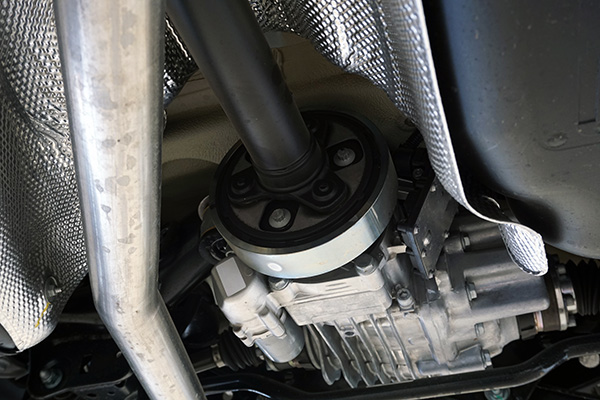
It feels unfair when you’re told you might need a whole axle because one joint is making noise. You hear clicking on turns, or you feel a shudder under acceleration, and you think, can’t we just fix the one side that’s worn? Sometimes you can. Often, replacing the entire axle is the smarter, more reliable option. The right answer depends on what failed, how long it has been failing, and how the axle is built on your specific vehicle. Why CV Joints And Axles Are Usually Treated As A Package CV joints are not separate little parts bolted onto a shaft in a way that’s always easy to service. On many vehicles, the joints are built into a complete axle assembly. They come pre-greased, sealed, and balanced as a unit. When one joint wears out, the axle has usually lived the same miles on both ends. That does not mean both joints are bad today. It does mean the other joint is not new either. If you replace only one joint, you may fix the current symp ... read more