Brake noise usually starts before the brake system fully gives up. A light squeal when you slow down, a rough scraping sound at a stop, or a harsher grind that turns heads in traffic all point to the same basic truth. Something in the braking system is wearing, shifting, or making contact the wrong way.
That noise should be treated like an early warning, not background irritation.
Why Brake Noise Starts In The First Place
Your brakes work by pressing pads against rotors and converting motion into heat. That process is supposed to be controlled, even, and quiet. Once the pads wear down, the hardware loosens, or the rotor surface changes, noise starts to appear because the contact is no longer happening the way it should.
A lot of drivers wait because the car still stops. That is the trap. Brake noise often starts while the repair is still manageable, which means an inspection at the right time can keep the job much more focused.
Squealing Usually Points To Wear Or Vibration
A squealing brake noise is often the first stage of the problem. In many cases, the pads are worn enough that the wear indicator is brushing the rotor and creating a high-pitched warning sound. That is exactly what it is supposed to do. It tells you the pads are getting low before metal-on-metal damage starts.
Squealing can also come from vibrations. Cheap, low-quality pad material, glazed pads, rusty contact points, or brake hardware that is no longer holding the pads firmly can all create noise even when the brakes still have some life left. That is why squealing does not always mean the same repair, but it does mean the system deserves attention.
Grinding Means The Brakes Are Already Beyond The Early Stage
Grinding is more serious. That sound usually means the pad friction material is gone or nearly gone, and metal parts are now contacting the rotor. Once that happens, the brake system stops working normally. It is chewing into the rotor and building damage much faster than most drivers expect.
This is where a brake job stops being just about replacing pads. Rotors often need to be replaced, and the calipers and hardware may need closer attention, too, if the vehicle has been driven like that for a while. A grinding noise is the sound of repair costs going up.
The Sound Pattern Usually Gives Good Clues
The exact way the brakes sound can help point the repair in the right direction before the wheels even come off.
- A light squeal during gentle braking often points to pad wear indicators or pad vibration
- A grind that gets worse every day usually means severe pad wear and rotor damage
- Noise only after the car sits overnight can come from surface rust on the rotors
- A scrape or squeak from one corner may point to sticking hardware or uneven wear
- Noise that comes and goes with speed can suggest a brake shield or hardware contact issue
These clues do not replace proper testing, though they do help separate normal brake wear from something more uneven or more urgent.
Heat, Rust, And Sticking Parts Change The Way Brakes Sound
Brakes deal with heat every time you drive, so a small issue can easily change the sound they make. Surface rust on the rotors is common after rain, after washing the car, or after the vehicle sits for a day or two. That kind of noise often clears up quickly once the brakes are used.
Sticking calipers, seized slide pins, or worn hardware are a different story. Those problems keep the pad in contact with the rotor longer than it should be, which builds heat, causes uneven wear, and creates repeat noise. During regular maintenance, this kind of wear pattern is often easier to catch before the rotor and pad damage spread further.
Why Brake Noise Should Not Be Put Off
Brake noise tends to move in one direction. It gets worse. What starts as a squeal can become a grind, and what could have been handled with pads and hardware can turn into rotors, caliper work, and more labor. That is why early service is cheaper almost every time.
There is the safety side too. A noisy brake system is often a brake system that is no longer wearing evenly or responding as cleanly as it should. Even if the stopping distance has not changed much yet, the system is already telling you it needs help.
What A Proper Brake Check Should Include
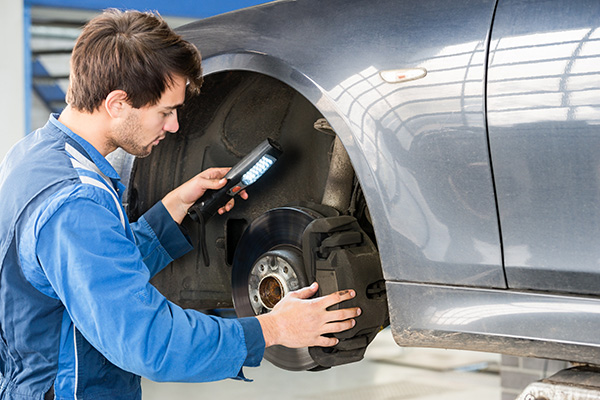
A real brake check should look beyond the noise itself. Pad thickness, rotor condition, caliper movement, hardware wear, brake fluid condition, and brake hose condition all deserve attention. The goal is not just to quiet the sound. It is to restore even, controlled braking and keep the problem from coming right back.
That is why guessing rarely works well with brake noise. The right repair depends on how far the wear has gone and whether the problem is simple pad wear or a deeper issue with heat, movement, or uneven contact.
Get Brake Repair In Las Vegas & Henderson, NV, With Asian Imports
If your brakes have started squealing or grinding, Asian Imports in Las Vegas & Henderson, NV, can inspect the system, identify the root cause, and fix it before the problem escalates into rotor damage or a more serious braking issue.
Bring it in while the noise is still a warning and not a much more expensive brake job.