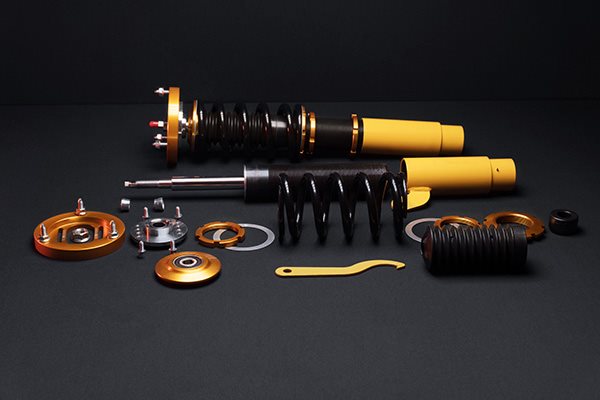
Shocks and struts don't come with one expiration date. A highway commuter often gets a longer damper life than a vehicle that hits broken pavement and speed bumps every day. Heat, mileage, load, and road impacts all influence how quickly damping performance changes. Wear develops gradually, so it's understandable to wonder how many miles you have left before replacement.
The better question is how the suspension is performing now and what an inspection reveals.
There Is No Universal Mileage for Replacement
Some shocks and struts remain effective over long service lives, while others need repair sooner because of damage or heavy use. Manufacturers sometimes specify inspection intervals or replacement guidance, but a figure such as 50,000 miles isn't proof that every damper has failed. The vehicle's design, weight, and operating environment all influence wear.
Mileage is only one clue. Your driving history, the vehicle's maintenance schedule, and the condition of the dampers guide replacement decisions. A low-mileage car with leaking struts needs service sooner than a higher-mileage vehicle whose suspension still performs correctly. The goal is to restore proper control when performance declines, not to replace functional suspension parts simply because the odometer reaches an arbitrary threshold.
What Shocks and Struts Actually Do
Springs carry the vehicle's weight, while dampers control how quickly the suspension compresses and rebounds. Without adequate damping, the body keeps moving after the wheels clear a bump. A strut also supports the suspension structure and provides steering or wheel-mounting points on many vehicles. That difference changes the replacement procedure and the need for alignment afterward.
Weak damping causes repeated bouncing, brake dive, and an unsettled feel on rough pavement. A shock sometimes loses damping performance without leaving a visible leak. During an inspection, we check ride behavior, mounting hardware, and the surrounding suspension. A worn spring or bushing can create similar symptoms, so the test needs to consider the complete assembly.
Las Vegas Heat and Road Conditions Affect Wear
High temperatures expose rubber bushings, seals, and protective boots to demanding conditions. Potholes, driveway ramps, speed bumps, and repeated heavy loads add mechanical stress. Years of heat, potholes, and daily driving around Las Vegas and Henderson gradually wear the suspension. Heat alone doesn't prove that a particular strut has failed, but it's part of the vehicle's service environment.
Cracked mounts, damaged dust boots, fluid seepage, and excessive movement help reveal if the suspension has deteriorated. Regular cargo loads or oversized wheels change the forces on the dampers and create different wear patterns from a stock commuter.
Keeping tires properly inflated and avoiding harsh impacts where possible reduces avoidable suspension stress. Regular maintenance makes it easier to identify wear before it becomes a handling complaint.
Driving Symptoms Are Often Better Than the Odometer
Repeated bouncing after a bump is a classic sign of reduced damping. You notice more nose-dive when braking, longer lean through turns, or less control over uneven pavement. Some drivers hear clunks caused by worn mounts or nearby joints. Tire cupping and uneven wear can also develop, although balance and alignment problems need to be ruled out.
Has the vehicle started taking longer to settle after crossing a dip? Those changes in driving feel often tell you more than the odometer alone. We compare the symptoms with the suspension's physical condition and road-test behavior when safe. A car that feels unstable at highway speed needs inspection before a planned long trip, even if it hasn't reached a commonly advertised replacement interval.
Why Shocks and Struts Are Often Replaced in Pairs
Dampers on the same axle experience similar age and loading. Replacing one severely worn damper while leaving its equally weak partner often causes uneven handling. Many repair plans therefore address pairs, depending on the manufacturer's requirements and the condition of the other side. That recommendation should be explained, not treated as an unbreakable rule for every isolated damage event.
Strut mounts, bearings, bump stops, and springs need inspection while the area is accessible. Replacing one part without checking the others invites a repeat visit. A damaged upper mount can keep knocking after a fresh strut is installed.
Certain suspension repairs require a wheel alignment to restore geometry. Proper installation and final measurements protect the new components and help the car track correctly afterward.
Tire Wear and Brake Feel Provide More Clues
Weak dampers affect how consistently the tire is loaded against the road. That can contribute to irregular tread wear and a less controlled feeling during braking. A pulsing brake pedal or pull to one side has other possible causes, so the inspection needs to include brakes and wheel-end parts. A suspension replacement isn't a universal cure for every vibration or stopping complaint.
Uneven tires, poor alignment, steering-joint play, and brake faults often overlap with damper symptoms. Those possibilities need to be ruled out before an estimate is finalized. Look for these changes:
- Continued body movement after bumps
- Increased pitch when braking
- Clunks near strut mounting points
- Scalloped or uneven tire wear
- Fluid leakage from a damper body
Those clues support a more complete inspection and prevent unnecessary replacement of the wrong component.
How to Extend Suspension Service Life
Avoid carrying more than the vehicle's approved load, keep tire pressures correct, and respond promptly to new knocks after pothole impacts. A damaged protective boot or mounting component may expose a damper to wear long before the internal unit fails. Checking suspension condition during tire service is practical preventive maintenance.
After a repair, we verify the original symptom is gone, and alignment is correct when required. A new shock or strut should improve control, not create a new steering pull or mounting noise. The best replacement interval is based on the vehicle's actual condition, supported by the right checks and service information.
Get Shock and Strut Inspection in Las Vegas and Henderson, NV, With Asian Imports
Asian Imports serves Las Vegas and Henderson, NV, with suspension checks, shock and strut replacement, and ride-quality concerns. You'll know what the suspension inspection reveals and if replacement is justified.
Call Asian Imports or schedule your suspension inspection online today.